Our Projects | Rowan’s Down Syndrome Programs in Uganda
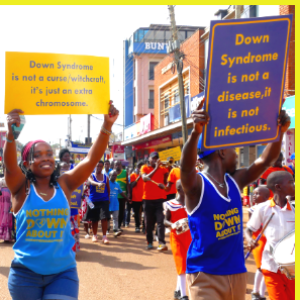
At Rowan’s Down Syndrome Awareness Centre (RDSAC), our Down syndrome programs in Uganda are designed to deliver lasting impact for children and families. Through initiatives such as speech therapy, medical support, caregiver training, inclusive education, and livelihood empowerment, we provide holistic support that improves quality of life and promotes independence. Our community outreach and awareness campaigns continue to reduce stigma while expanding access to essential services across the Bunyoro region and beyond.
Across Uganda, an estimated 50,000 individuals live with Down syndrome, many of whom face stigma, limited access to healthcare, and insufficient support systems. In the Bunyoro sub-region alone, over 1,100 individuals are affected, yet only about 11% currently access structured support programs, leaving the majority without consistent therapy, medical guidance, or family support. Rowan’s Down Syndrome Awareness Centre (RDSAC) is committed to closing this gap by expanding access to care, strengthening families, and promoting inclusion for every individual.
Our Initiatives | What We Do
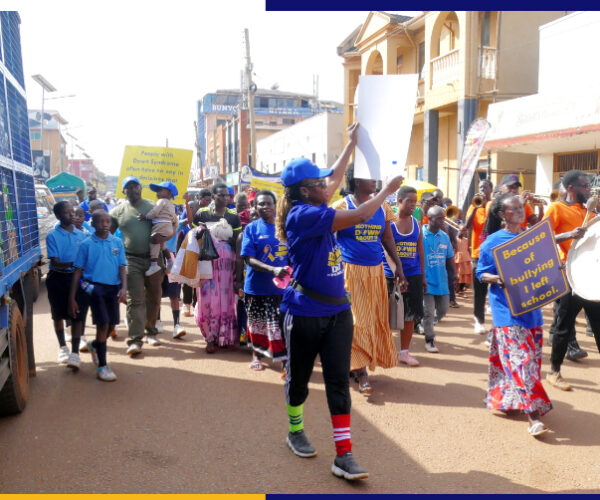
Awareness and Advocacy
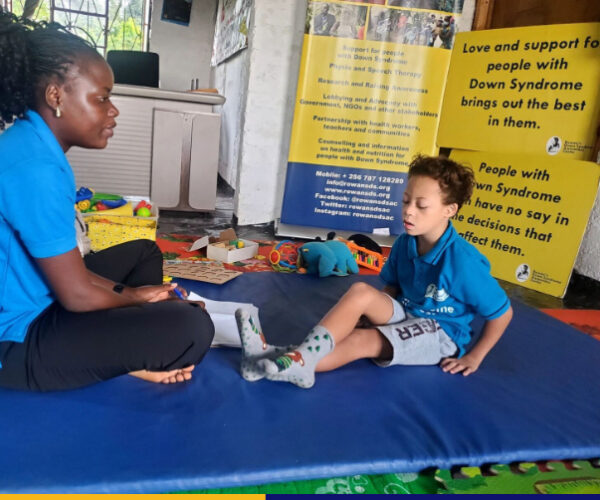
Therapy and Medical Support
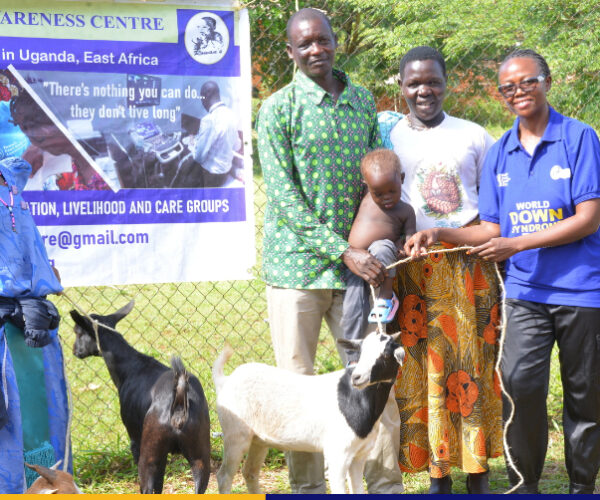
Family and Community Support
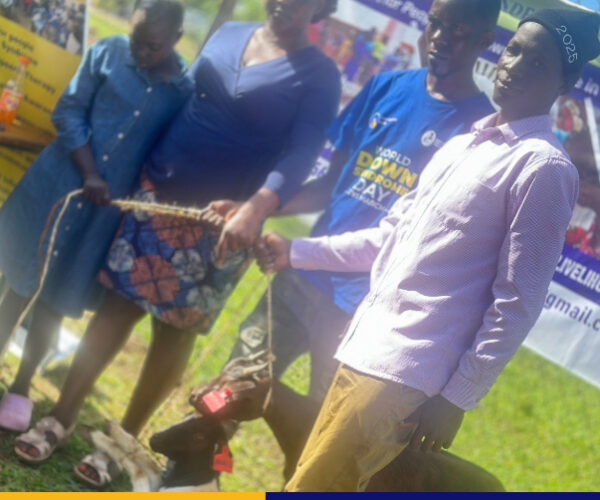
Livelihood and Empowerment Programs
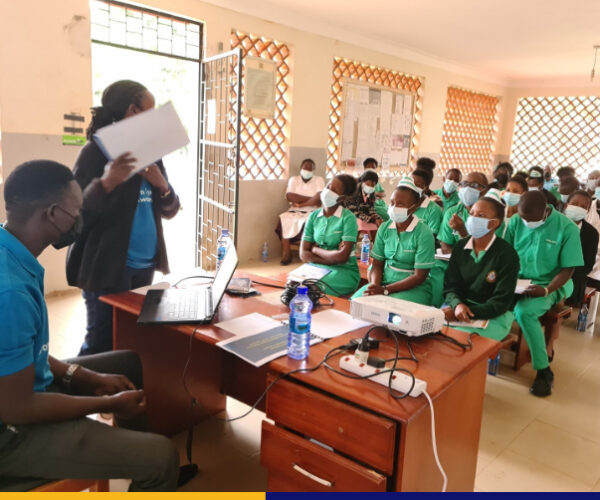
Training and Capacity Building
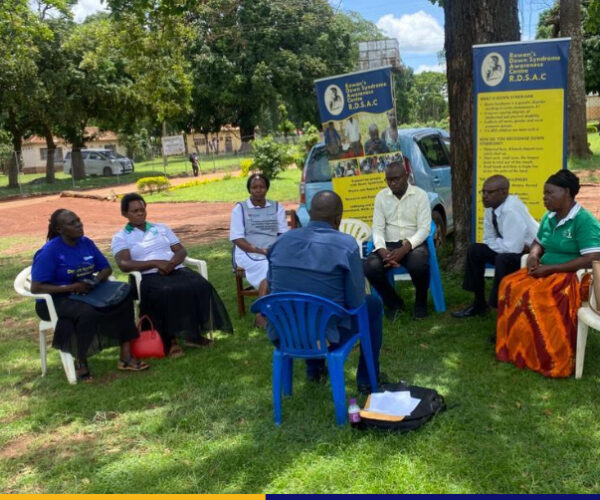
Research and Education Program
Building a Centre of Excellence
In the Bunyoro sub-region alone, over 1,100 individuals are estimated to be living with Down syndrome, yet only 11% are currently reached by structured support programs.
IN BUNYORO SUB-REGION ALONE
Current Projects
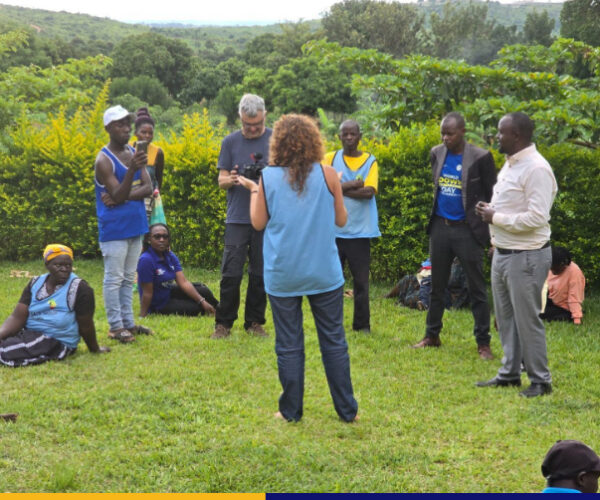
Institutional Programs
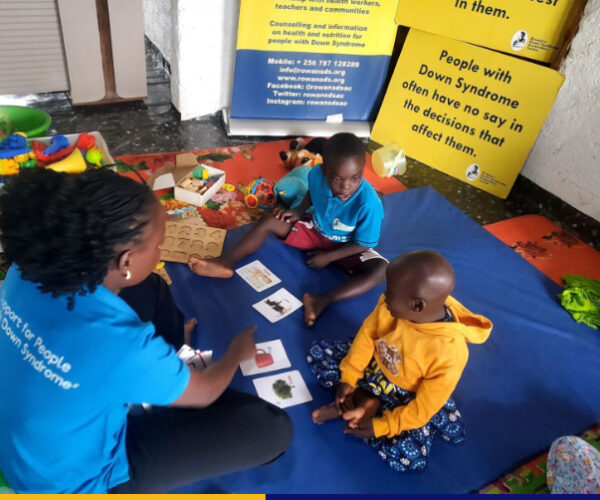
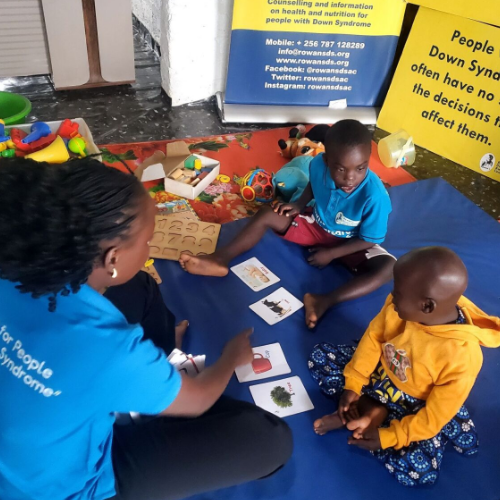
Speech Therapy Program
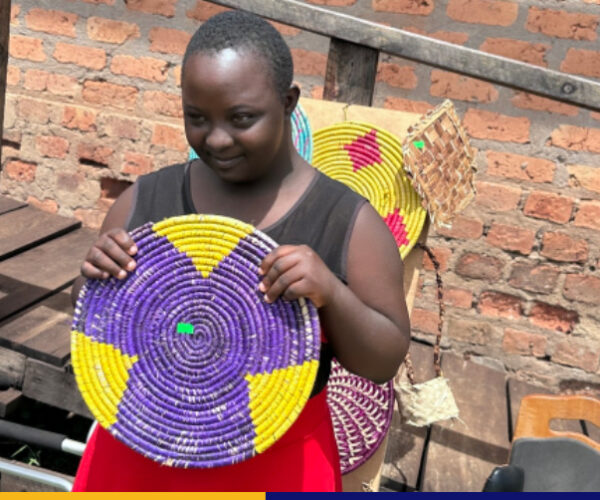
Livelihoods Program
Research and Education Program
Calendar Events and Awareness Campaigns
Rowan’s and Michael’s Success Stories
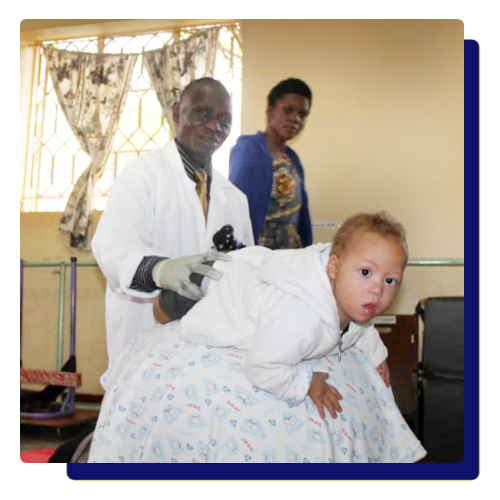
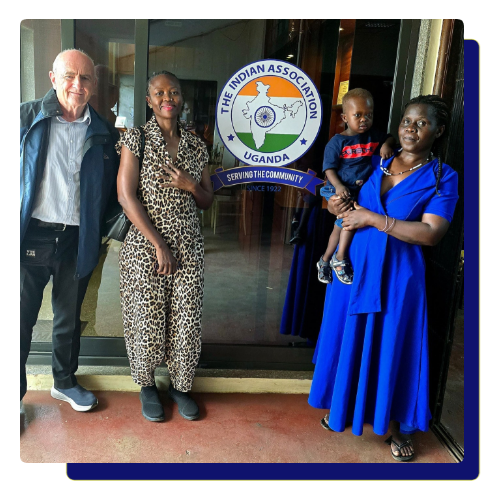
Nearly 50% of children born with Down syndrome also have congenital heart defects: conditions that can greatly reduce their chances of survival if corrective surgery is not done within the first year of life. For many families in Uganda, accessing specialized heart care is extremely difficult due to high costs and limited services. At Rowan’s Down Syndrome Awareness Centre, we are committed to giving these children a fighting chance.Through referrals, family support, and strategic partnerships, we help children with congenital heart defects access life-saving surgeries and care.We work under a Memorandum of Understanding with the Heart Institute of Mulago National Referral Hospital and closely collaborate with the Indian Association of Uganda, which has generously supported surgeries and travel costs for children receiving treatment in India.
At RDSAC, every heartbeat matters.
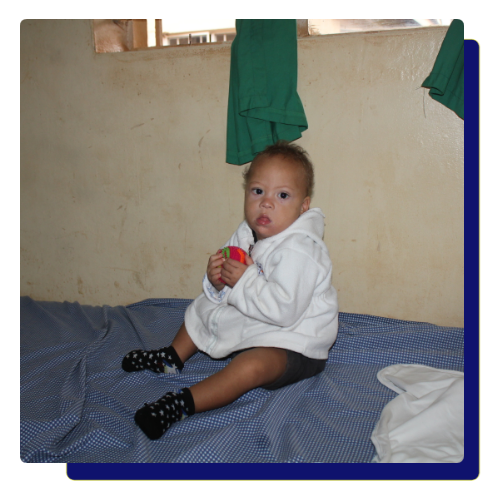
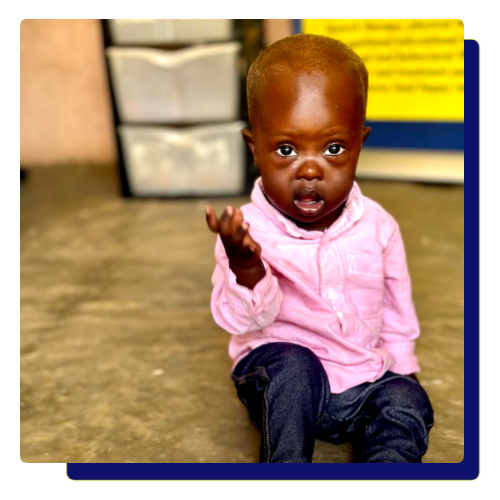
Two of our inspiring success stories are Rowan Cripps and Michael Murungi, who both underwent successful heart surgeries in India at different times. Rowan’s surgery was made possible through the support of family and friends, while Michael’s surgery was fully funded by the Indian Association of Uganda. Their journeys continue to give hope to many families raising children with Down syndrome.
Today, three more children are lined up for surgery, and we continue to advocate for timely treatment and support so that every child has the opportunity to live a healthy and fulfilling life. At RDSAC, every heartbeat matters.
Where We Work
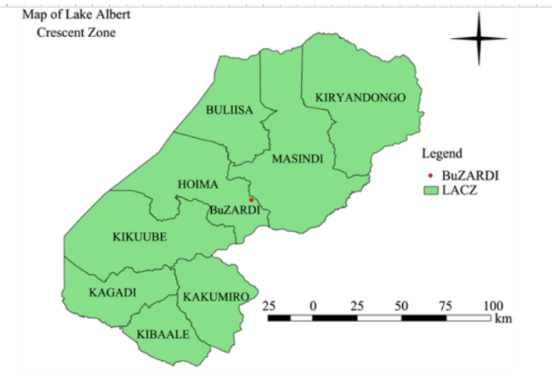
RDSAC is headquartered in Hoima City, located in the Bunyoro sub-region of Western Uganda. From this hub, we serve families across multiple districts, including Hoima, Masindi, Buliisa, and Kikuube. Our services are delivered directly at our Hoima base and through regular outreach partnerships with health centres, schools, community groups, and district leadership platforms.
Some of the Common Signs of Down Syndrome Include:
However, it is important to remember that people with Down syndrome can learn, go to school, work, and participate in community life.
Get Involved: Here is How You Can Help
SPONSOR THERAPY SESSIONS
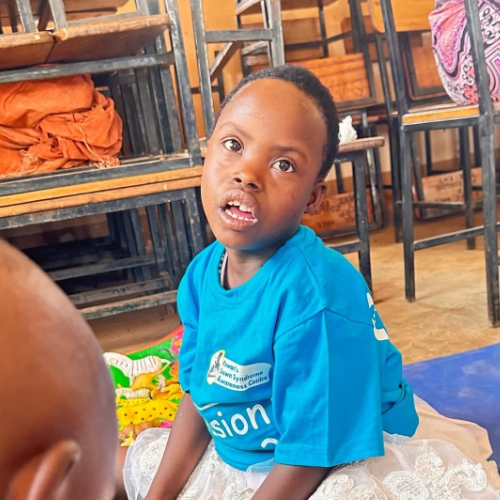
SUPPORT A CHILD’S MEDICAL CARE
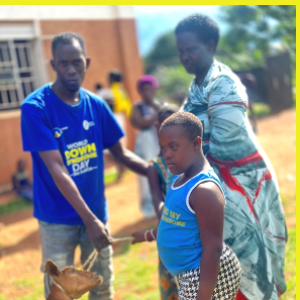
FUND A FAMILY LIVELIHOOD PROJECT
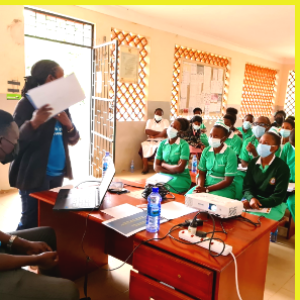
PARTNER WITH US
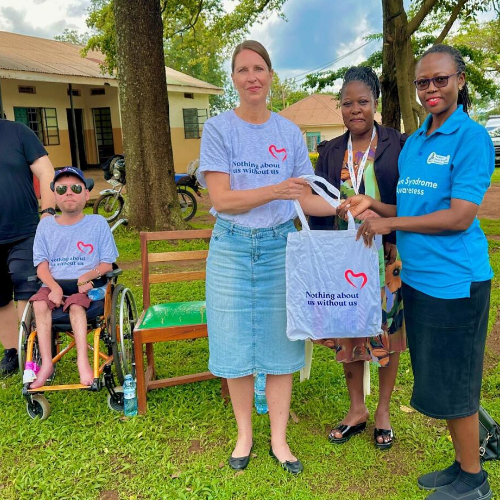
GIVE TO OUR CENTER OF EXCELLENCE FUND
VOLUNTEER OR ADVOCATE
Self-Help Groups
Developing Support Groups
We have successfully renewed the certificates of two caregivers’ support groups in Hoima City and Kigorobya and tirelessly working to register one for Masindi and Kikuube Districts.
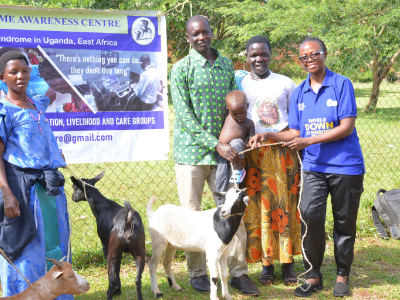
Through these efforts, RDSAC secured a 5 million UGX grant from the Government of Uganda for the Kigorobya District group, which has been invested in a poultry project that currently has 91 birds and a fully constructed poultry house.
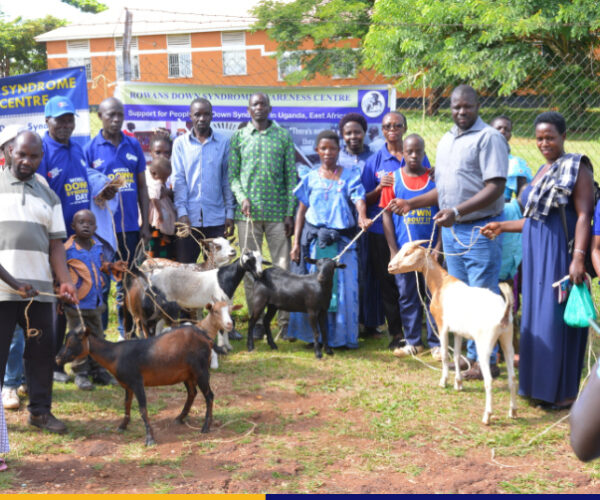
Similarly, the Masindi group received a 40 million UGX grant to launch a Goat-rearing project, now in its third quarter of implementation. As part of this initiative, 31 members from two sub-counties will each receive two female goats to support their livelihoods.
Meanwhile, the Kikuube caregivers’ group is in its early stages of development.
RDSAC remains committed to supporting individuals with Down syndrome, expanding awareness, and improving access to essential medical and social services.
Our Partners
M3
ABILIS
Marafiki wa Afrika ya Mashariki, in Danish Østafrikas Venner
TAWINGO FUND