The Faces Behind Our Organization
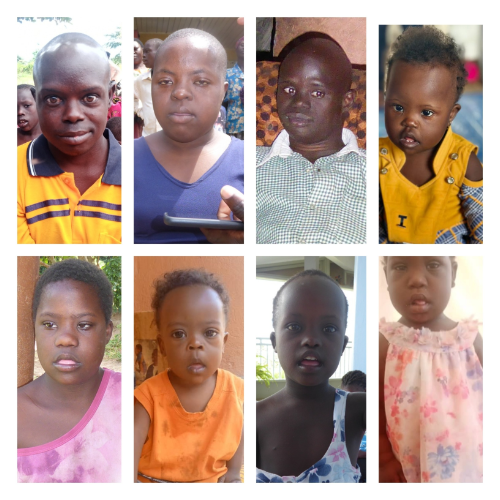
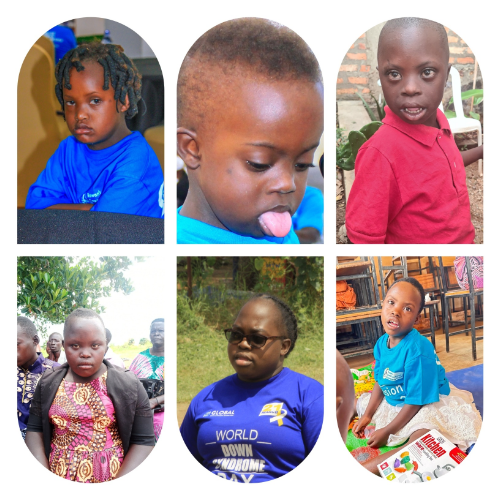
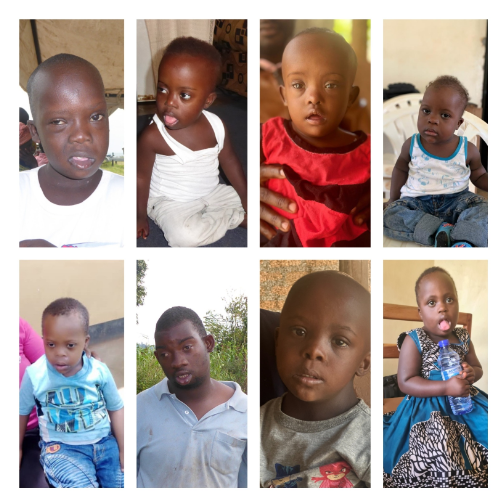
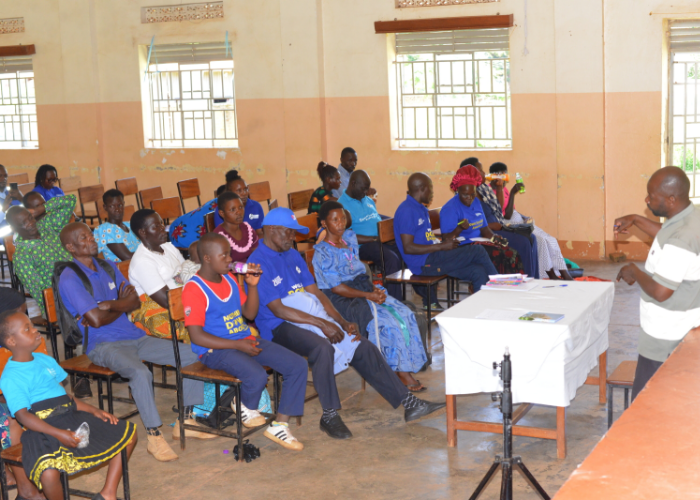
RDSAC works through strategic partnerships, and through these collaborations we have effectively engaged with District Local Governments to support our members. As a result, our members have been able to access the Disability Fund, benefit from advocacy initiatives, and participate in awareness-creation activities that promote their rights and inclusion.
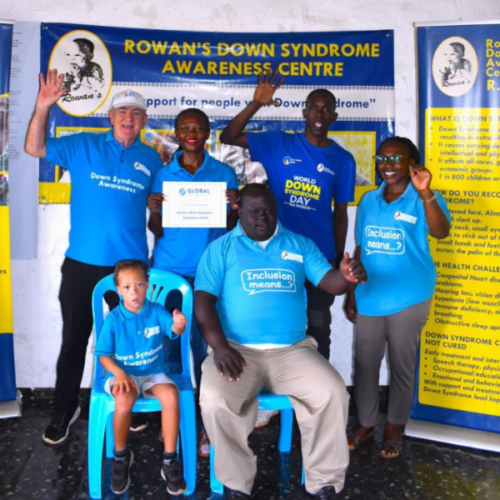
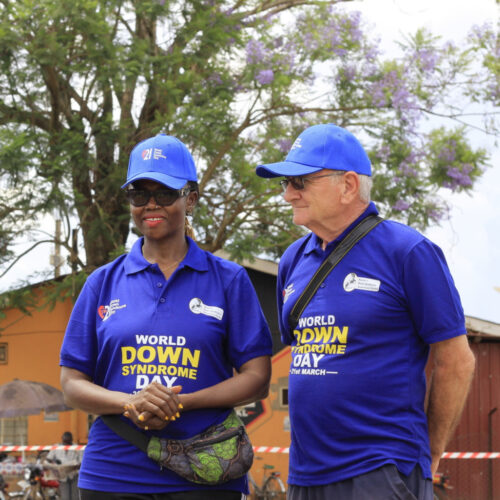
To create and run a national/regional center of excellence, providing high-quality and affordable services that will ultimately show how people with Down syndrome in Bunyoro, Uganda, and East Africa at large can lead normal and full lives.
Our vision is that the 50,000+ people with Down syndrome in Uganda become independent, self-sufficient, and generally accepted by society, overcoming the stigma and daily challenges that they and their families face.
Our leadership structure is built for impact, combining vision, expertise, and community-driven action. Guided by our founders and led through a strong project management system, each role from outreach to therapy and health coordination works in sync to deliver holistic support for individuals with Down syndrome and their families. This structure ensures efficiency, accountability, and a shared commitment to inclusion and empowerment.
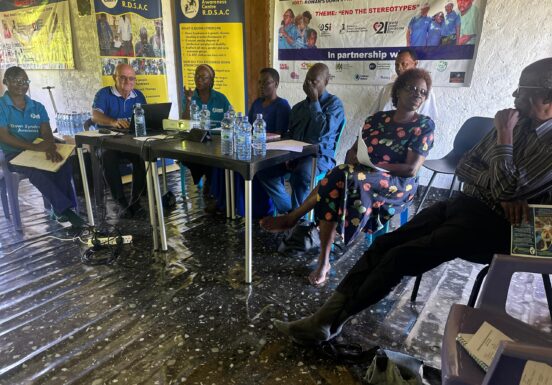
The Board
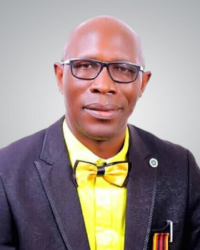
DR. RUYONGA JOSEPH
PATRON
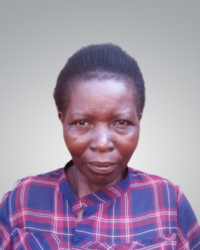
KIIZA HELLEN
BOARD MEMBER AND PARENT
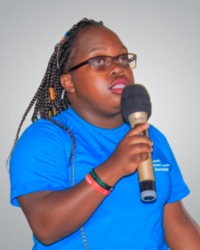
SYLVIA NANGABANE
BOARD MEMBER AND SELF ADVOCATE
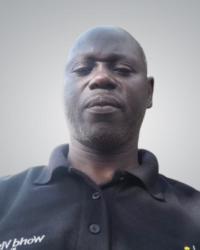
MUGUME EMMY
BOARD MEMBER AND PARENT
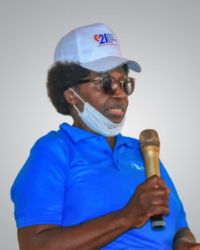
DR. NANTULYA FLORENCE
ADVISOR
The Core Team
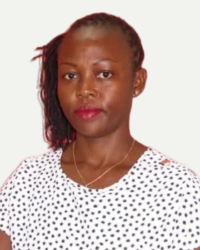
MILDRED KATUSABE CRIPPS
EXECUTIVE DIRECTOR AND FOUNDER
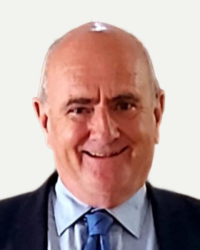
CHRISTOPHER CRIPPS
NON-EXECUTIVE DIRECTOR AND FOUNDER
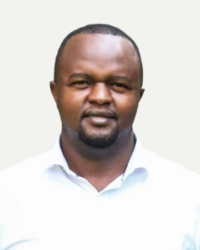
EMANZI CHRISTOPHER
PROJECT MANAGER
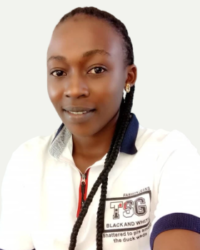
KIIZA FAUSTINE
FINANCE OFFICER
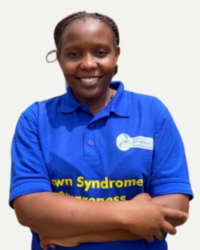
OLIVER BIRUNGI
OUTREACH OFFICER
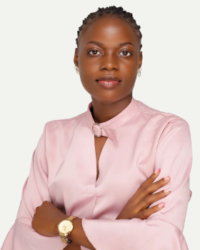
NALUKWAGO ALICE
SPEECH AND LANGUAGE THERAPIST
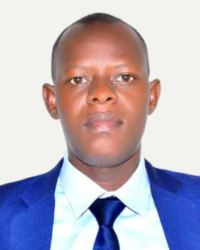
ATWEBEMBIRE MARTIN
HEALTH CORDINATOR
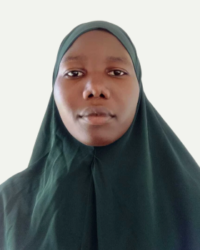
SHAMSA BIRUNGI
OFFICE ADMINISTRATOR
Membership
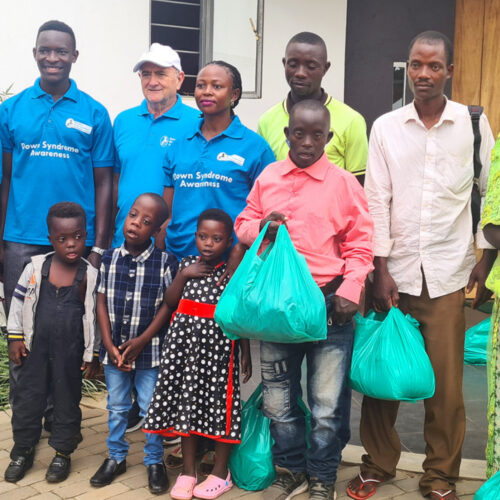
RDSAC registers all people with Down syndrome in Bunyoro as its members. Members, their families, and carers meet quarterly when the RDSAC program is reviewed and commented upon. Individuals share their own experiences and seek mutual self-support. This has proved to be a cathartic process. For many it has been the first time they have interacted with others having the same challenges. Members have received certain support as a group from donors, such as the Covid medicines that were donated by Everett and Austin and the 2021, 2022, 2023, and 2024 Christmas food and clothing that were supported by the Marafiki Foundation and M3 Housing. These have made a huge difference to the lives of members and their caregivers. Members have established self-help groups in their respective districts, where they come together to work on self-sustainability projects and share their experiences.
Developments So Far
Since its establishment, Rowan’s Down Syndrome Awareness Center (RDSAC) has made remarkable progress in improving the lives of children with Down syndrome and their families across the Bunyoro sub-region. Through awareness creation, therapy services, advocacy, partnerships, and caregiver empowerment, the organization continues to grow into a recognized regional center for Down syndrome support and inclusion.
KEY STATISTICS
Over the past five years, RDSAC has directly reached more than 15,000 individuals through community awareness campaigns, radio talk shows, school engagements, medical outreaches, advocacy events, and online platforms. Through social media and digital awareness campaigns alone, RDSAC reached over 200,000 people in 2025, significantly increasing public understanding and acceptance of persons with Down syndrome.
The organization currently works across Hoima, Masindi, Buliisa, and Kikube districts and has registered 131 active members and caregivers, organized into support groups that continue to provide peer learning, psychosocial support, and livelihood empowerment.
SUCCESSFUL HEART SURGERIES AND MEDICAL SUPPORT
RDSAC has continued to support children with Down syndrome with referrals, diagnosis, and access to specialized medical care. One of the major milestones was the successful heart surgery of Michael Murungi in India in 2025, facilitated through collaboration with the Indian Association of Uganda and other partners. The organization has also supported several children to access medical screening services, including ECGs, speech and developmental assessments, and referrals to the Uganda Heart Institute and other specialized facilities. These interventions continue to improve survival rates and quality of life among children with Down syndrome, particularly those born with congenital heart defects.
SPEECH THERAPY AND EARLY INTERVENTION
Speech therapy remains one of the organization’s key interventions aimed at improving communication, learning, and social interaction among children with Down syndrome. In 2025 alone, RDSAC conducted 167 speech therapy sessions supporting 24 families across the four districts of operation. The organization also trained eight (8) para-therapists to strengthen community-based therapy support and improve access to early intervention services at the community level. Through caregiver group therapy sessions, parents have also gained practical knowledge and skills on home-based stimulation and child development support.
PARTNERSHIPS, MOUS, AND COLLABORATIONS
RDSAC has continued to strengthen partnerships with local, national, and international organizations to improve service delivery and organizational growth. The organization established collaborations and working relationships with institutions including the Global Down Syndrome Foundation (GDSF), Down Syndrome International (DSI), Makerere University College of Health Sciences, Uganda Heart Institute, Tackle, Nurture Africa, ADC, and several district local governments. In 2025, RDSAC made progress toward formalizing collaborations through Memorandums of Understanding (MOUs) and partnership engagements, particularly under the Human Trisome Project involving RDSAC, Makerere University, and GDSF. These partnerships continue to create opportunities for research, technical support, funding, and international networking.
DONORS AND SUPPORTERS ON BOARD
The organization’s work has been made possible through the support of various donors, founders, well-wishers, and community partners. In 2025, RDSAC mobilized over UGX 201 million through donations, founders’ contributions, fundraising initiatives, and local revenue generation activities. Key supporters included GDSF, Abilis Foundation, Segal Foundation, Indian Association of Uganda, Aspire Africa, TAWINGO, Nurture Africa, and several local businesses and individuals who contributed financially, technically, and morally toward the organization’s mission.
SCHOOL ENROLMENT AND INCLUSION OBSERVATIONS
RDSAC has continued to observe gradual improvement in school enrollment and participation of children with Down syndrome within the region. Increased awareness among caregivers and health workers has contributed to earlier identification and enrollment of children into nursery and primary schools. However, challenges remain, including stigma, limited teacher capacity, inaccessible learning environments, and lack of specialized learning materials. Many caregivers still report difficulties in accessing inclusive education opportunities for their children. Despite this, some schools within the region have demonstrated willingness to admit and support children with Down syndrome, reflecting positive progress toward inclusion. Through continued advocacy and partnerships with schools and education stakeholders, RDSAC aims to strengthen inclusive education systems and improve access to quality learning opportunities for children with Down syndrome in Uganda.
Research and Findings
Rowan’s Down Syndrome Awareness Centre founder, Mildred Katusabe, began by making contact (through community networks and medical professionals) and conducted interviews with 20 people with Down syndrome in the Hoima District.
Observations
Observation I
In many cases, medical professionals did not diagnose Down syndrome at birth or subsequently.
Action so far
OUTREACH: Information on Down syndrome has been given to 46 health centers’ staff and village health teams in Hoima District.
Observation II
Some parents did not know about the causes and effects of Down syndrome. There is a need to provide information for parents of people with Down syndrome, especially at the ante-natal and neo-natal stages. Some men left their wives after finding out their children have Down syndrome, blaming it on the women
Action so far
MEMBERS SELF-SUPPORT: 120 people with Down syndrome plus their family members, care-givers (total 210 members) enlisted. Mutual appreciation of challenges and solutions, self-advocacy has become a very powerful outcome.
Observation III
People with Down syndrome are being called “zonto” or :wire” meaning “mad,” and therefore suffer from abuse.
Action so far
AWARENESS: Media, social media campaigns, and radio talk shows have started to sensitize the general public about Down syndrome.
Observation IV
There is a lack of therapies and support services for people with Down syndrome in Bunyoro.
Action so far
THERAPY AND MEDICAL SERVICES Have begun to be for people with Down syndrome in Bunyoro. RDSAC is developing a “play scheme” approach to diagnosis and treatment. One (1) Physiotherapist, two (2) Speech Therapists, and one (1) Office Admin (person living with Down syndrome) have been enrolled, and relationships have been developed with specialized medical service providers to provide services and therapies.
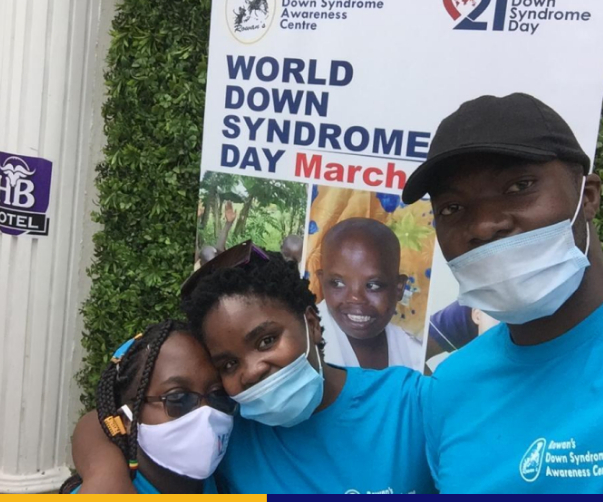
We have developed a model of working with health personnel as Focal persons and Members Support Persons in each District centered on care-giver groups
Extending membership towards 200 through Health Centres and VHTs.
We are strengthening our model to directly reach and support our members through the Support Groups.
Starting up more Speech Therapy sessions in all the districts that we are operating in
Continue to work with schools for inclusive education
Setting up a US charity foundation for long-term financial sustainability
Establishing the long-term mission of becoming a model and Centre of Excellence for People with Down syndrome in the East African Community.
We are looking forward to search for funding and grants for the Support groups in Hoima and Kikuube given that Masindi and Kigorobya groups have now got start up.